
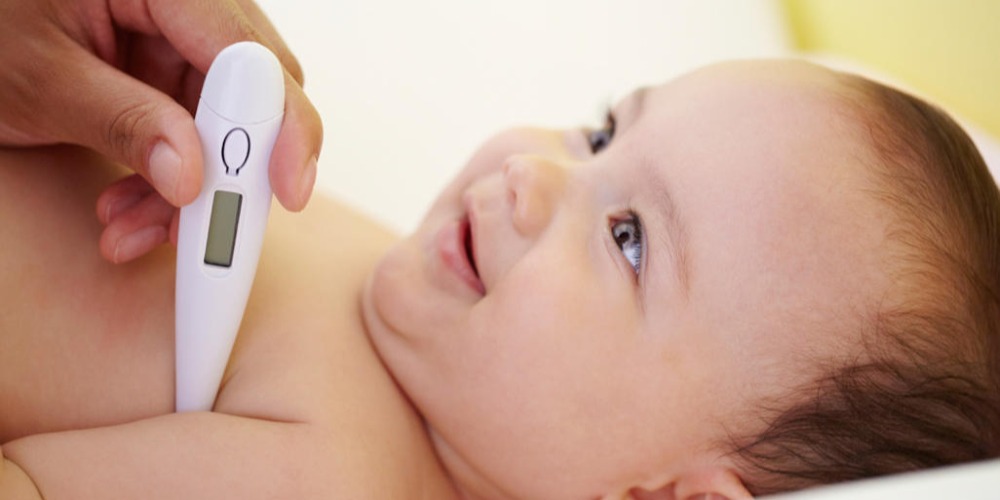
Understanding Fever in Newborns
April 14, 2025 by Dr. Gaurav Singh
Fever in newborns can be a worrisome experience for parents. Seeing a tiny baby with a raised temperature can be unsettling, especially when you’re still learning the ropes of parenthood. But fear not! This article will guide you through the reasons behind fever in newborns, how to manage it, and when to seek medical help.
What Is a Fever?
A fever is a temporary increase in body temperature, often due to an infection. For newborns, a fever is typically defined as a rectal temperature of 100.4°F (38°C) or higher. This is because newborns have different thermoregulation compared to older children and adults.
Common Causes of Fever in Newborns
- Infections
- Viral Infections: Common viruses like the common cold or flu can cause a fever in newborns. These are usually not severe but still need attention.
- Bacterial Infections: Bacterial infections such as urinary tract infections (UTIs) or more serious conditions like sepsis can cause high fevers and require immediate medical attention.
- Teething
- Although teething typically starts later, some newborns may experience a slight rise in temperature. This is usually a mild fever and should not be very high.
- Overheating
- Newborns can easily become too warm if they are dressed too warmly or are in a hot environment. Ensure that your baby is comfortably dressed and not overly bundled up.
- Immunizations
- After vaccinations, it’s common for babies to experience a mild fever. This is a normal response as their bodies build immunity.
- Other Causes
- Sometimes, a fever might be due to non-infectious causes like dehydration or a reaction to certain medications.
Remedies and Management
- Monitor the Temperature
- Use a digital rectal thermometer for the most accurate readings. Take your baby's temperature when they seem unusually warm or are acting out of sorts.
- Keep the Baby Comfortable
- Dress your baby in lightweight clothing and keep their room at a comfortable temperature. Avoid overdressing or heavy blankets.o Use a digital rectal thermometer for the most accurate readings. Take your baby's temperature when they seem unusually warm or are acting out of sorts.
- Hydration is Key
- Ensure your baby is getting plenty of fluids. For newborns, this means frequent breastfeeding or formula feeding. Dehydration can be a concern if the fever is high or prolonged.
- Medication
- Over-the-counter medications like acetaminophen (Tylenol) can be used for managing fever in babies over two months old, but always consult your pediatrician before giving any medication. Do not give aspirin to children as it can lead to serious complications.
- Cool Compresses
- Applying a cool, damp washcloth to your baby’s forehead or the back of their neck can help lower their temperature. Avoid using ice or very cold water, as it can be too harsh for a newborn.
- Bathing
- A lukewarm bath might help bring the fever down. Ensure the water is not too cold, as it might cause shivering, which can actually raise the body temperature.
When to Seek Medical Attention
Fever in newborns can be serious and may require medical attention. Here’s when you should contact your pediatrician or seek emergency care:
- Fever in Babies Under 3 Months
- Any fever in a baby younger than three months old should be taken seriously. It can be a sign of a serious infection that requires immediate evaluation.
- High Fever
- If your baby’s temperature reaches 100.4°F (38°C) or higher and persists despite home care measures, consult your doctor.
- Behavioral Changes
- If your baby is unusually lethargic, irritable, or has difficulty feeding, these could be signs of a more serious issue.
- Other Symptoms
- Seek medical help if your baby has a fever along with symptoms such as vomiting, diarrhea, difficulty breathing, a rash, or if they seem to be in pain.
- Dehydration Signs
- Watch for signs of dehydration, such as fewer wet diapers, dry mouth, or dark yellow urine. If these occur, contact your healthcare provider.
Prevention Tips
- Regular Check-Ups
- Keep up with regular pediatrician visits to monitor your baby’s health and vaccinations.
- Maintain Good Hygiene
- Wash your hands frequently, and ensure that anyone who handles your baby has clean hands to reduce the risk of infections.
- Safe Sleeping Practices
- Follow safe sleep guidelines to avoid overheating and ensure a comfortable sleep environment for your baby.
- Monitor for Illness
- Be observant of any early signs of illness and seek advice if you notice any unusual changes in your baby’s behavior or health.
Conclusion
Fever in newborns can be alarming, but with the right information and precautions, you can manage it effectively. Keep a close eye on your baby’s symptoms, ensure they’re comfortable, and don’t hesitate to reach out to your pediatrician if you have concerns. By staying informed and prepared, you’ll be better equipped to handle any health hiccups that come your way, ensuring your baby’s well-being and peace of mind.